
From Pump Components to Wider Mineral Processing Applications
YPT Rubber Factory
YPT Rubber Factory is the rubber manufacturing center operating under YPT Pompa, a YPT Group company.
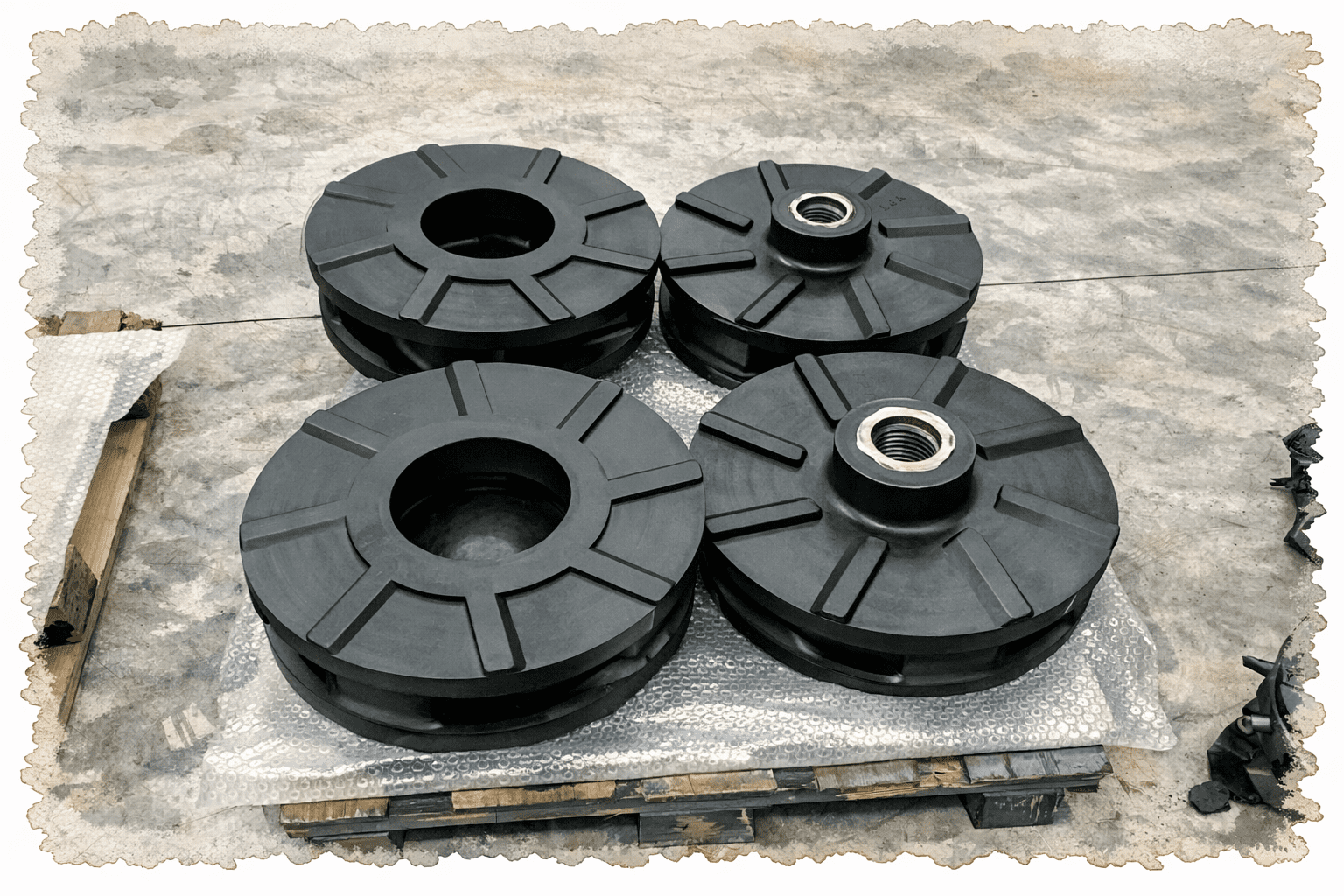
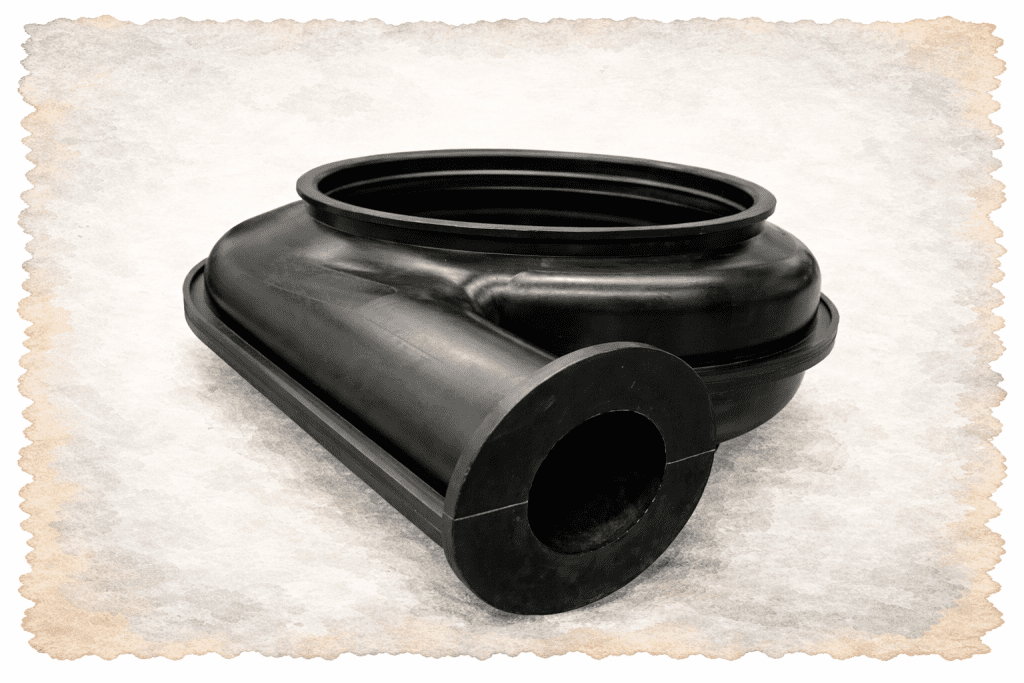
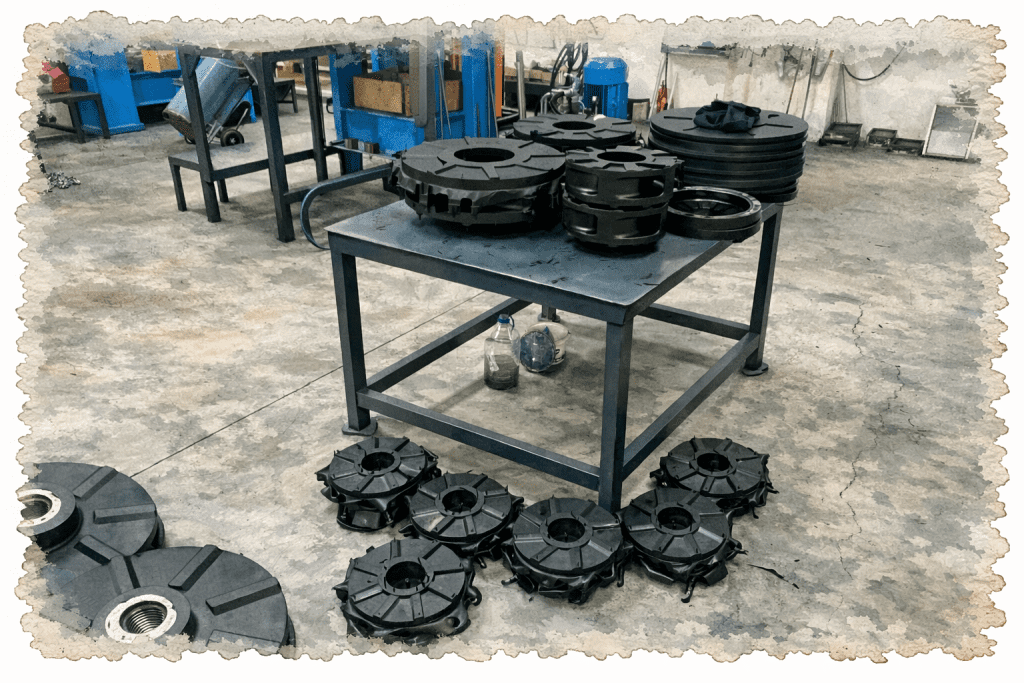
The factory currently focuses primarily on producing rubber parts for the YPT Pompa centrifugal slurry pumps product line, supporting wear control, sealing performance, fit consistency, and service continuity across pump applications. At the same time, the factory is being positioned for broader industrial use by expanding its manufacturing capability toward other rubber parts used and consumed in mineral processing equipment.
Production is built around controlled compound preparation, press-based molding, finishing, inspection, and release discipline.
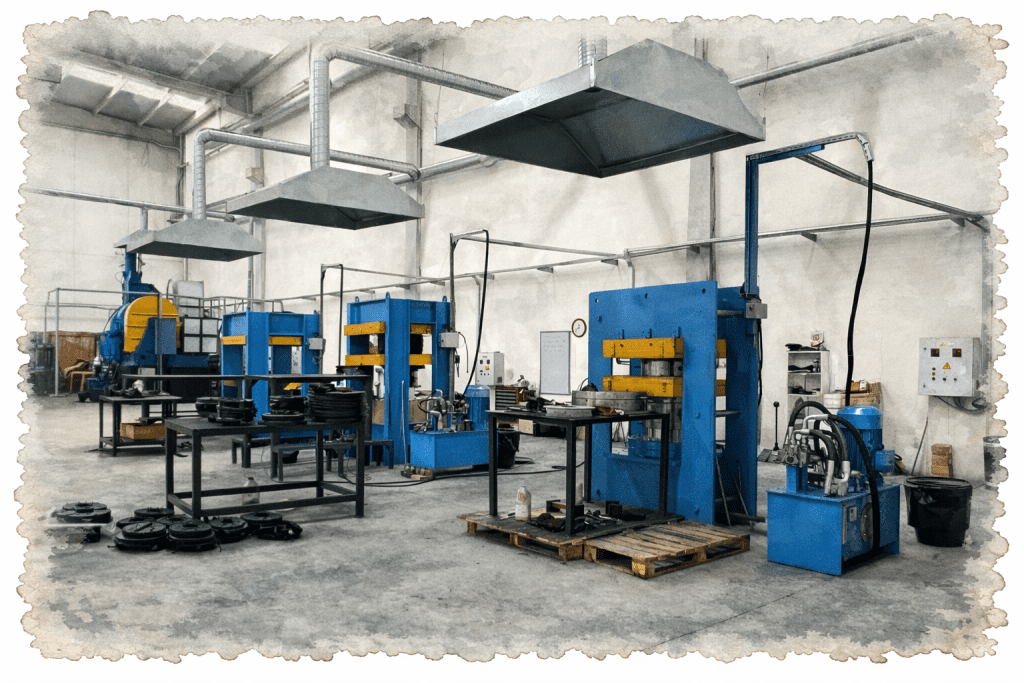
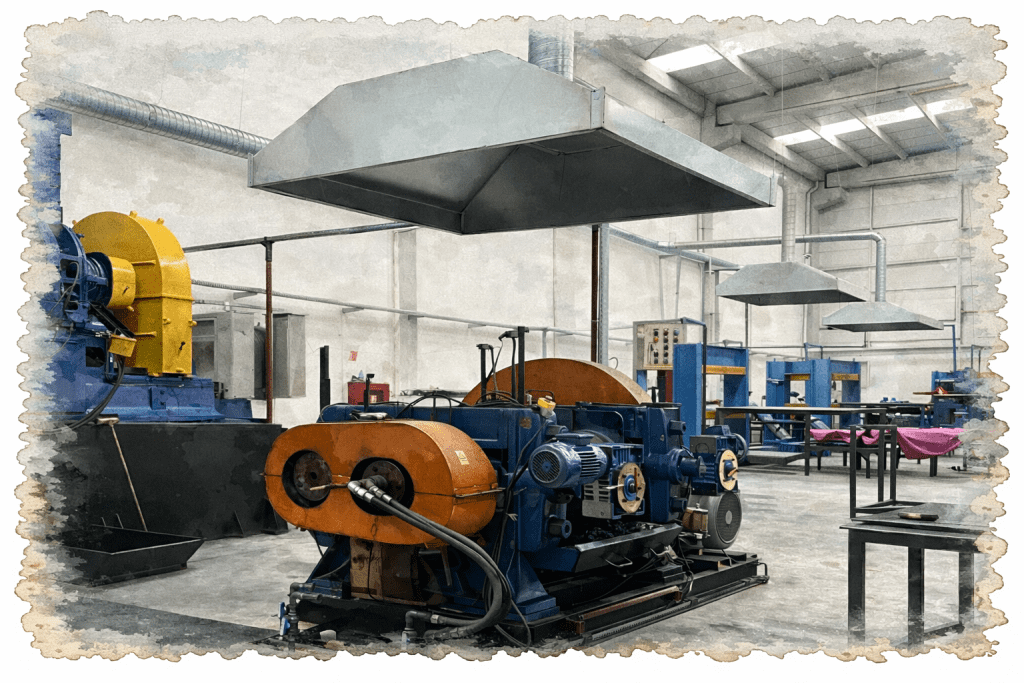
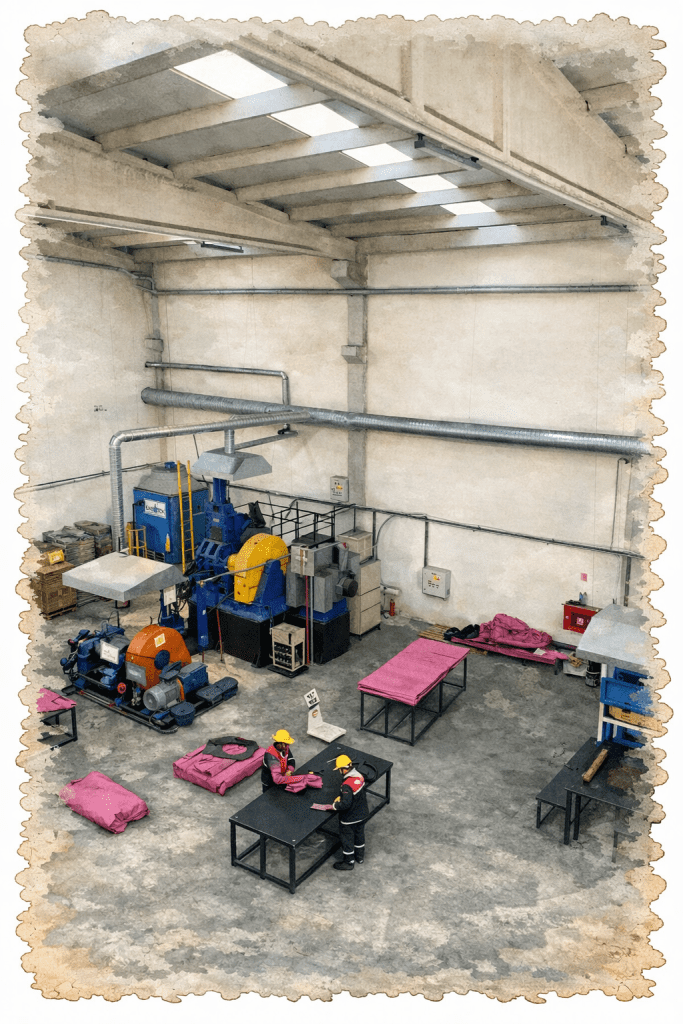
With rubber presses and a Banbury mixer at the core of the process, the factory combines material control and part manufacturing within one coordinated production structure.
Complex Design
Material Integrity
Heavy performance
Speed, flexibility
Controlled Rubber Production for Abrasive Service
Manufacturing Capabilities
YPT Rubber Factory is structured to support the main production stages required for technical rubber-part manufacturing in slurry and mineral processing duties. These stages include raw-material preparation, compound mixing, batch control, press molding, finishing, dimensional review, and release approval. In rubber components, field performance depends not only on part geometry, but also on how consistently the compound is prepared and how reliably the molding cycle is controlled. For that reason, the factory operates through a disciplined production flow where material behavior, tooling, and final-part quality are managed together. This supports repeatability across current pump-part production and provides a technical base for future expansion into other mineral processing rubber consumables.
Material Quality Begins in the Mix
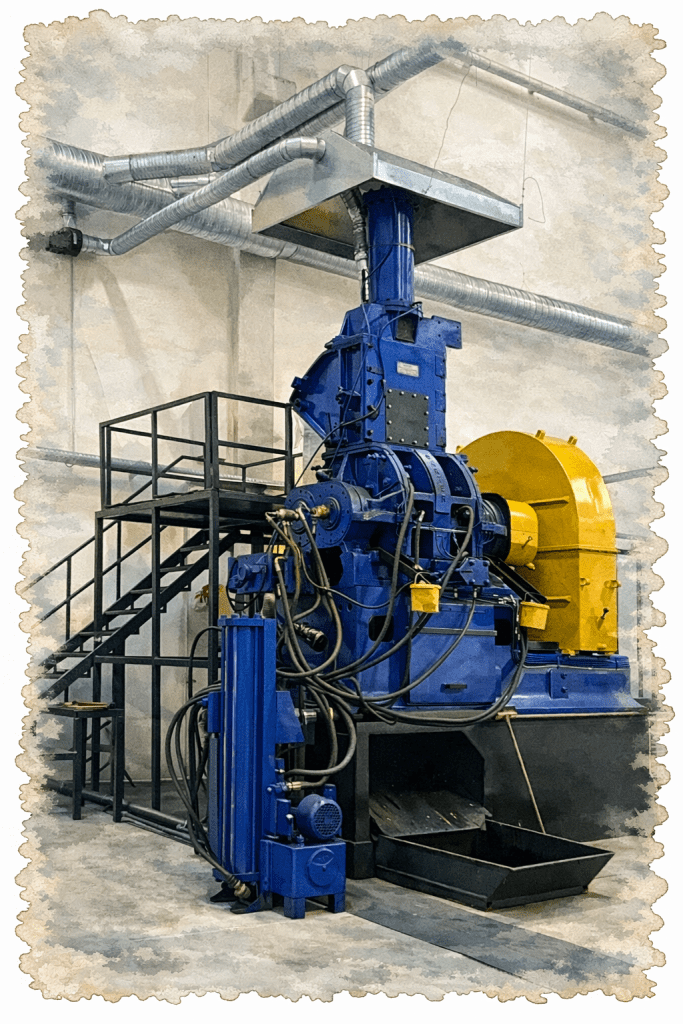
Compound Preparation and Banbury Mixing
The factory’s rubber production starts with controlled compound preparation using a Banbury mixer, which is a standard internal batch mixer used in rubber compounding. This stage is critical because filler distribution, additive incorporation, processing behavior, and batch consistency all influence the performance of the finished part. By controlling the mixing stage carefully, the factory supports more predictable molding behavior and more reliable wear performance in service. In abrasive-duty rubber components, compound discipline is one of the foundations of product quality.
Shape Control Supports Service Performance
Press Molding and Part Forming
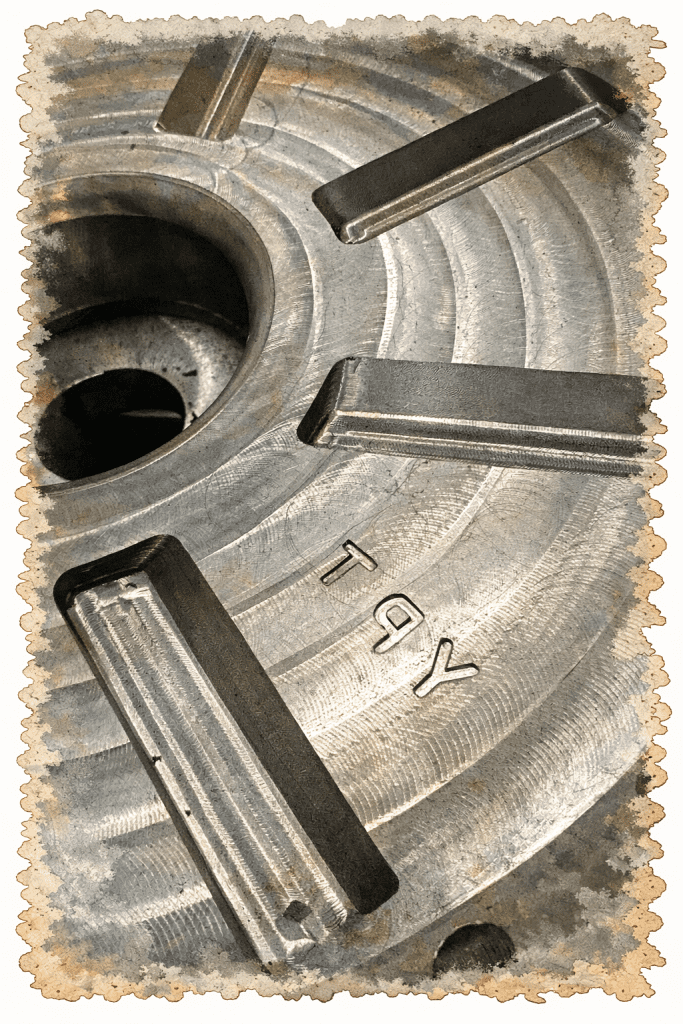
Rubber presses are used to produce molded parts with the geometry, density, and dimensional stability required for their intended duty. This is especially important for pump-related components, where sealing fit, wear profile, and installation compatibility must remain consistent across repeated production. Controlled molding conditions help reduce variation between batches and support more dependable part quality. As production scope expands, the same press-based capability can support a wider family of molded rubber components used in mineral processing equipment.
Consistency Matters After Molding
Finishing, Inspection, and Dimensional Control
After molding, parts move through trimming, finishing, dimensional review, and visual inspection before release. Even in flexible components, dimensional variation can affect assembly fit, sealing function, wear life, and replacement compatibility. For that reason, finishing is treated as a functional production stage rather than a cosmetic one. This discipline supports both current pump-part quality and the factory’s future ability to supply other mineral processing rubber components with consistent fit and service behavior.
Release Discipline Protects Product Continuity
Batch Review and Release Control
Before parts are released for use, storage, or dispatch, they pass through controlled review steps linked to batch records, production status, and inspection outcomes. This helps ensure that finished parts reflect the intended compound, molding conditions, and dimensional expectations of the manufacturing plan. In rubber production, release control is important because the part’s field behavior depends on both material history and forming accuracy. A disciplined release stage therefore supports traceability and long-term confidence in product consistency.
From Pump Rubber Parts to Broader Wear Components
Manufacturing Range
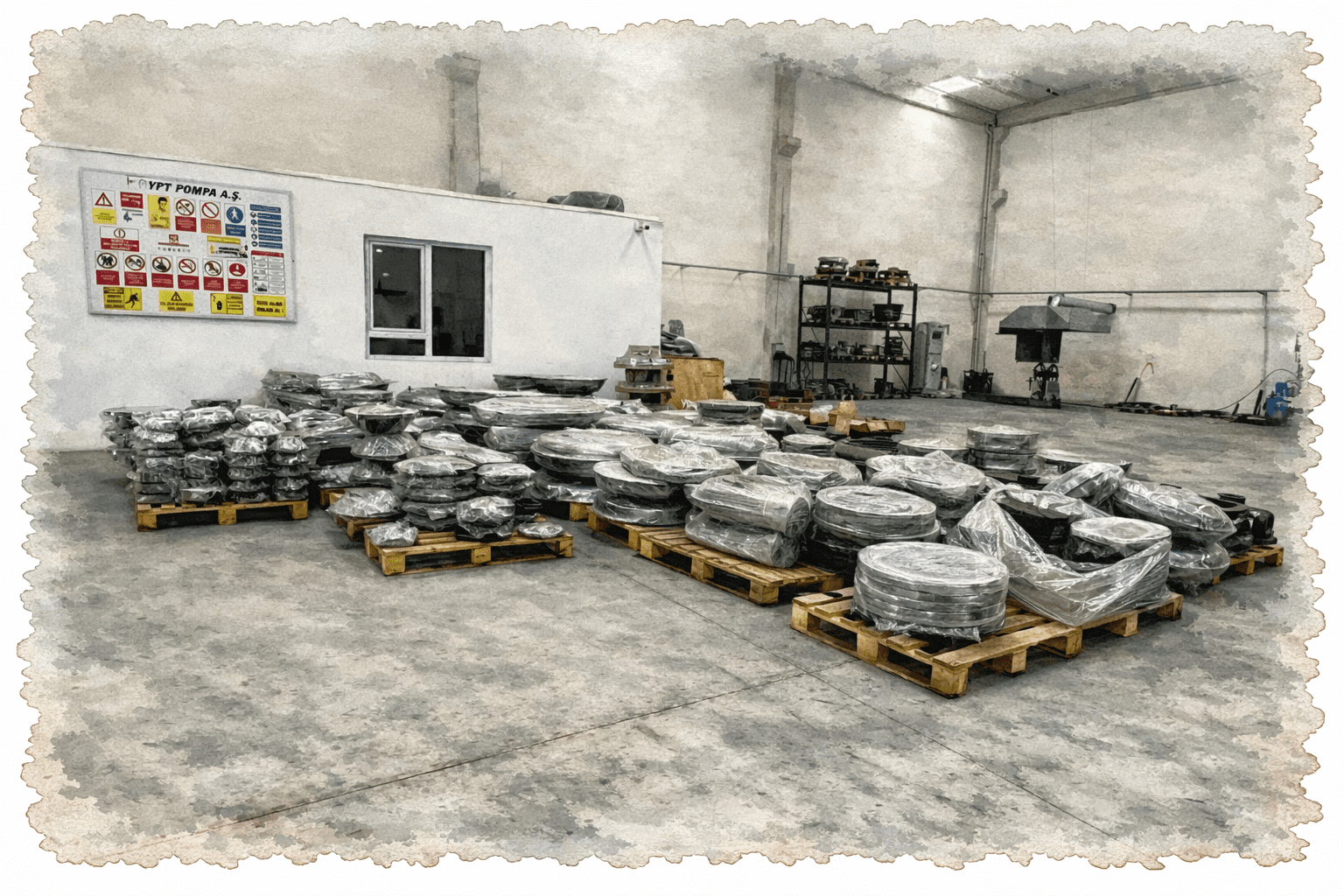
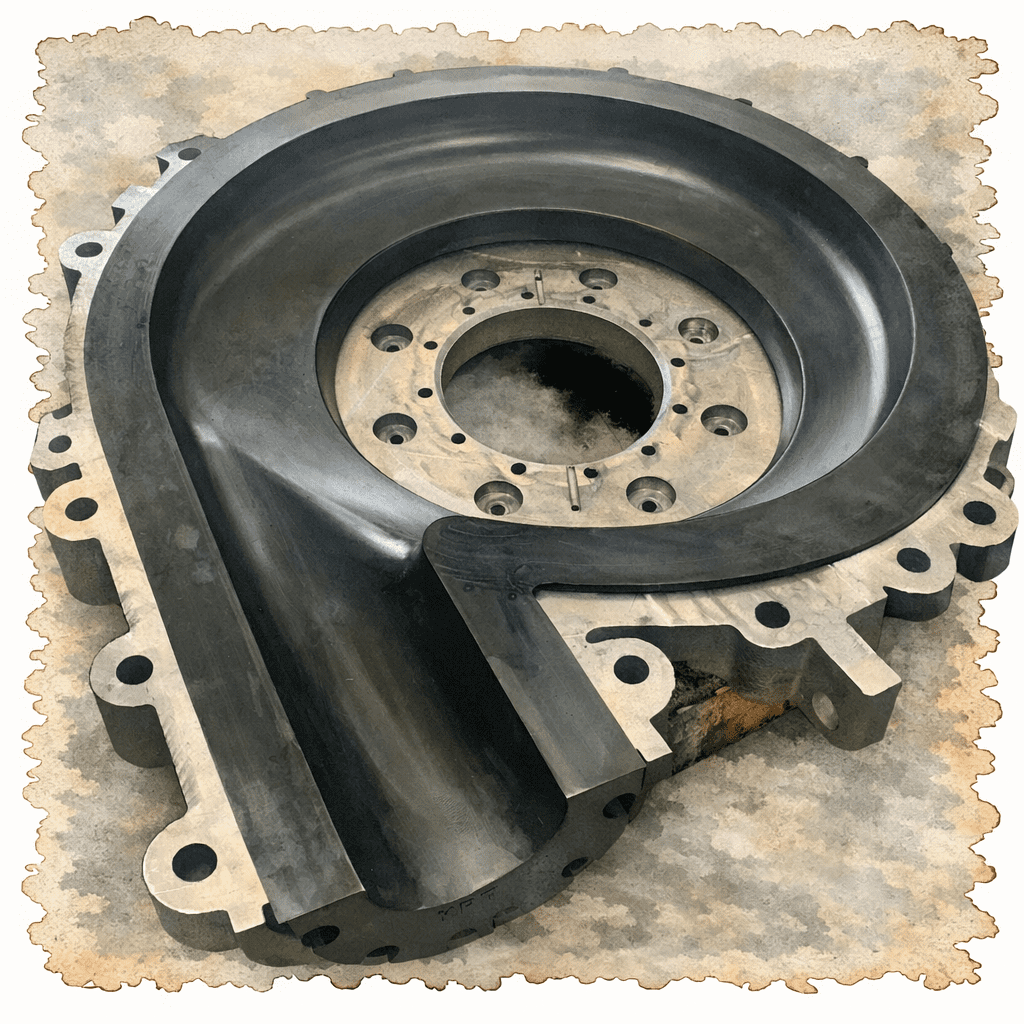
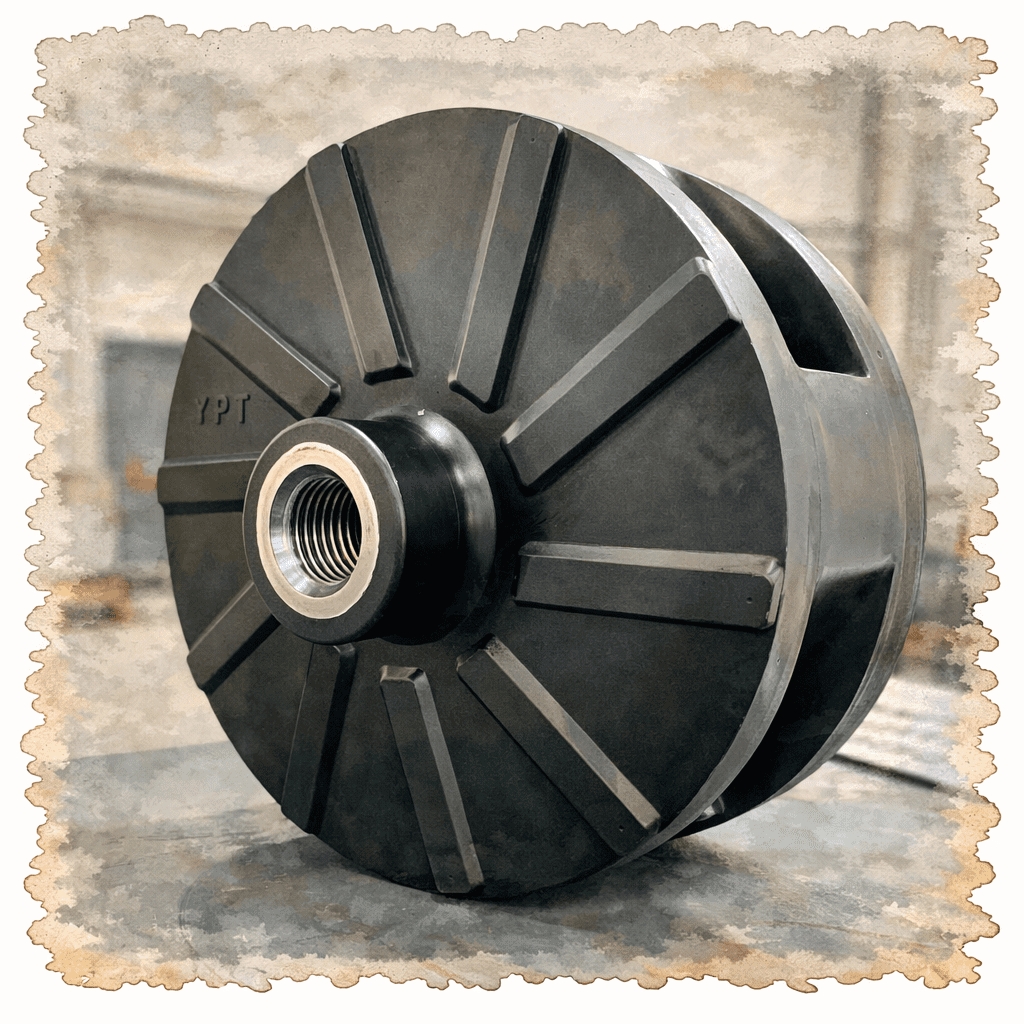
YPT Rubber Factory currently produces rubber parts mainly for the YPT Pompa pumps product line. This gives the factory a clear operational base in slurry pumping, where wear resistance, sealing function, dimensional fit, and service continuity are closely tied to equipment performance. At the same time, the factory is being developed to extend its manufacturing scope beyond pump-related items alone. Its future direction is to support other rubber parts used and consumed across mineral processing equipment where abrasion, impact, lining life, and replacement demand are important. In this way, the factory serves both present pump-product needs and a broader long-term industrial objective.
Controlled Quality from Compound to Finished Part
Quality Control and QMS-Based Production Discipline
Quality at YPT Rubber Factory is managed through a controlled production workflow rather than through final inspection alone. A QMS-based approach links raw-material control, batch identification, mixing records, molding review, dimensional inspection, and release approval into one traceable system. This is important because rubber-part performance depends on the combination of compound consistency, processing control, and finished geometry. A visually acceptable part may still underperform if mixing, molding, or release discipline is weak. For that reason, quality control is built into the process from compound preparation to final dispatch readiness. The technical logic of this structure mirrors the broader factory-page framework already used across the YPT manufacturing content set.
Organized for Compound Flow and Part Control
Factory Infrastructure
YPT Rubber Factory is organized to support a logical progression from material preparation to finished-part release. The Banbury mixing stage, press-molding stations, finishing steps, inspection points, and release controls operate as connected parts of one production environment. This helps reduce variation between batches and improves communication between production and quality functions. A structured workflow is especially important when current output supports pump components while future output is expected to expand into a wider mineral processing equipment base. In rubber manufacturing, process flow and product consistency are closely linked. The section logic follows the same workflow-centered factory model defined in the YPT factory template.
Material Behavior Must Stay Connected to Part Design
Engineering and Product Integration
YPT Rubber Factory supports a production model where part requirements remain closely tied to the products they serve. Because the current focus is on YPT Pompa pump parts, manufacturing decisions can stay connected to wear expectations, sealing behavior, fit requirements, and maintenance realities seen in slurry pumping duty. This improves practical decision-making during compound preparation, tooling use, and release control. As the factory expands toward other mineral processing rubber parts, the same integration will support a broader product-development base. In technical rubber manufacturing, closer alignment between product need and production execution is a meaningful strength.
Practical Knowledge Shapes Reliable Rubber Parts
Human Expertise
The capability of YPT Rubber Factory depends not only on equipment, but also on the expertise of the teams operating the production flow. Compound-handling personnel, press operators, inspectors, planners, supervisors, and technical staff all contribute to the consistency of the final product. In rubber manufacturing, repeatability is strongly influenced by process awareness, disciplined execution, and close coordination between stages. Training and inspection awareness therefore form an important part of production reliability. As the factory grows into broader mineral processing applications, organized technical know-how will become even more valuable.
Control. Repeatability. Expansion Potential.
Strategic Advantages of In-House Rubber Manufacturing
Operating an in-house rubber manufacturing facility gives YPT Pompa stronger control over compound preparation, molding consistency, production timing, and replacement-part continuity. Product adjustments can be reviewed more directly against manufacturing practicality, while production records and release status remain visible within the same operating structure. This reduces coordination loss and supports more dependable output for the existing pump product line. It also creates a practical foundation for expanding into other mineral processing rubber components in the future. In abrasive-duty industries, that continuity can create real value in both supply reliability and lifecycle support.
One Rubber Platform Supporting More Than Today’s Scope
Integration with Product Line, Aftermarket, and Future Expansion
YPT Rubber Factory already supports the YPT Pompa product line by supplying rubber parts tied to present pump duties and maintenance needs. Because the factory sits within the same operating structure, production learning, service feedback, and replacement demand can feed back into manufacturing more directly. This improves continuity between current product support and future product development. It also gives the factory a realistic route to expand into rubber parts used across other mineral processing equipment categories. For clients and operators, this means a manufacturing base that is both useful today and relevant to tomorrow’s wear-component needs.
Built on Pump-Part Production, Prepared for Wider Industry Demand
Vision and Future Development
YPT Rubber Factory is positioned to grow from its current pump-focused production base into a broader rubber manufacturing platform for mineral processing applications. Future development may include wider product coverage, stronger process visibility, improved batch-control systems, and expanded support for wear-related rubber consumables used in other equipment categories. The direction is clear: to build on current production strength while extending capability into a larger segment of the mineral processing industry. This growth path is industrially practical because it develops from an existing production base rather than from a theoretical starting point. The section structure and forward-looking tone follow the same development logic used in the current YPT factory-page template.