

Engineered to move slurry, built to protect uptime
YPT POMPA slurry pumps are selected and packaged as a complete duty solution rather than a standalone machine. The product line is built to cover the full plant map, from flotation froth and tank duties to sumps, carbon transfer, mill discharge, thickener underflow, and tailings transport.
Series selection is driven by hydraulic stability, wear behavior, solids handling risk, and the realities of maintenance access on site. Wet-end materials and sealing philosophy are matched to slurry conditions so reliability is achieved without over-complicating operation. The result is a practical pump portfolio that supports consistent performance and predictable lifecycle cost.
Series selection is driven by hydraulic stability, wear behavior, solids handling risk, and the realities of maintenance access on site. Wet-end materials and sealing philosophy are matched to slurry conditions so reliability is achieved without over-complicating operation. The result is a practical pump portfolio that supports consistent performance and predictable lifecycle cost.
Froth Pumps
When air enters the slurry, stability matters
Froth pumping is different from conventional slurry transfer because entrained air can collapse head and create unstable flow. These duties typically sit around flotation circuits where aeration level changes throughout the shift.
A froth pump must keep transfer predictable even when froth quality, density, and backpressure vary. The right design reduces air locking risk and helps operators maintain steady downstream feed. Froth pump selection therefore prioritizes air management, robust wear behavior, and reliable operation in splashy flotation areas.
A froth pump must keep transfer predictable even when froth quality, density, and backpressure vary. The right design reduces air locking risk and helps operators maintain steady downstream feed. Froth pump selection therefore prioritizes air management, robust wear behavior, and reliable operation in splashy flotation areas.
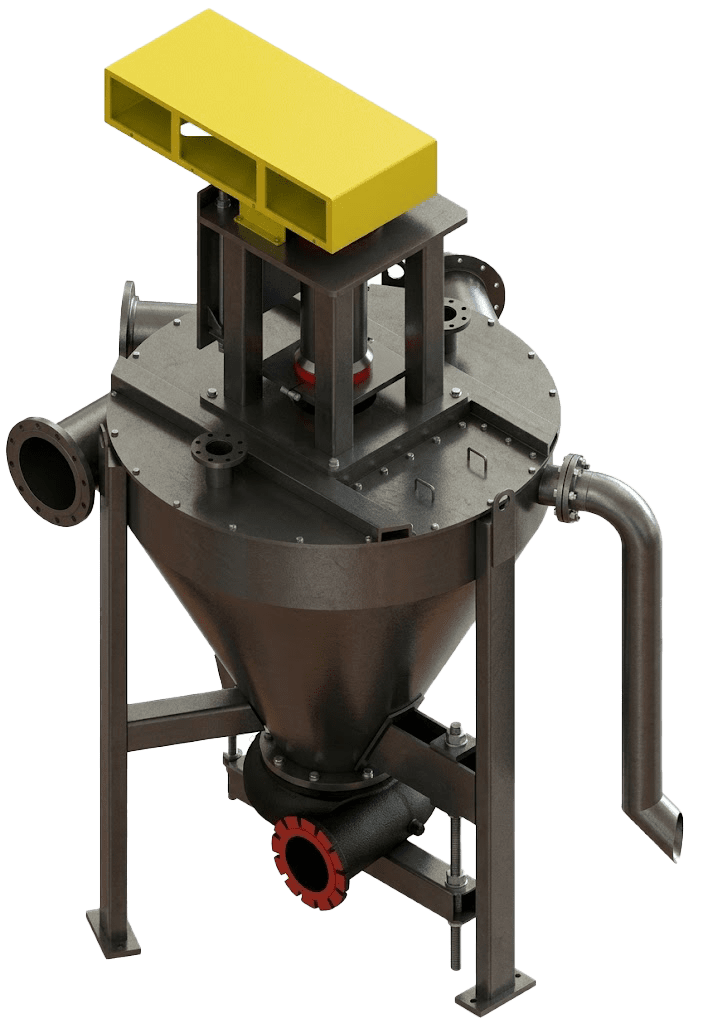
DK SERIES — FROTH PUMPS
Dedicated froth transfer, designed to keep flow steady.
DK is applied where flotation froth must be moved reliably despite high air content in the stream.
The series is built around a froth-handling architecture that helps the pump remain stable when aeration fluctuates. It is typically installed close to flotation areas where access, housekeeping, and operational consistency are important. The duty is managed with a focus on reducing flow collapse and avoiding repeated operator intervention.
DK is selected when predictable froth transfer matters as much as capacity.
The series is built around a froth-handling architecture that helps the pump remain stable when aeration fluctuates. It is typically installed close to flotation areas where access, housekeeping, and operational consistency are important. The duty is managed with a focus on reducing flow collapse and avoiding repeated operator intervention.
DK is selected when predictable froth transfer matters as much as capacity.
DK-AHM SERIES — EXTRA HEAVY-DUTY FROTH PUMPS
Froth stability, upgraded for higher head and tougher duty
DK-AHM is chosen when froth transfer requires more head capability and stronger durability than standard froth duties. It becomes relevant when discharge routing is longer, elevation gain is higher, or backpressure is more restrictive.
The concept keeps froth handling stable while providing heavier-duty wet-end strength for abrasive conditions. It supports plants that want froth transfer reliability without sacrificing pressure capability.
DK-AHM is selected when both aeration tolerance and head stability must be delivered together.
The concept keeps froth handling stable while providing heavier-duty wet-end strength for abrasive conditions. It supports plants that want froth transfer reliability without sacrificing pressure capability.
DK-AHM is selected when both aeration tolerance and head stability must be delivered together.
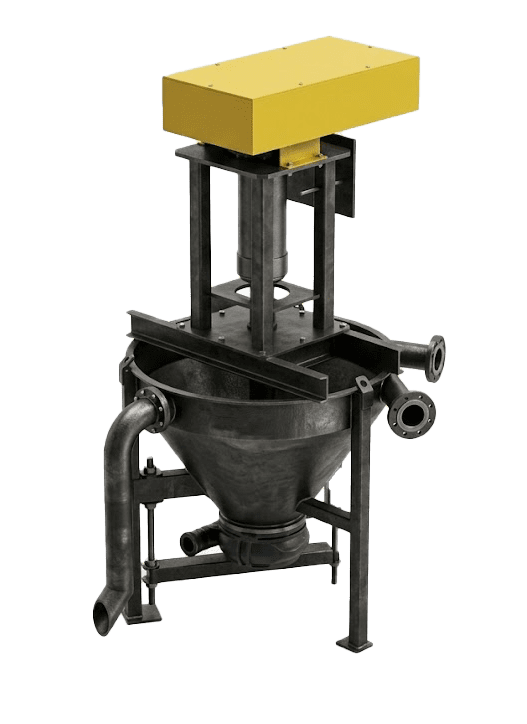
Tank Pumps
Vertical tank duty with compact layouts and reliable starts
Tank-mounted pumping is often required where slurry is collected in vessels and needs immediate transfer without complex auxiliary systems. These duties can include entrained air, level swings, and intermittent flow behavior that make stability important. A vertical tank pump must tolerate real plant variability while staying practical to maintain around busy process equipment. Layout constraints frequently drive selection because access, lifting, and platform interfaces matter as much as performance. Tank pump choice therefore balances hydraulic behavior, wear strategy, and operational simplicity.
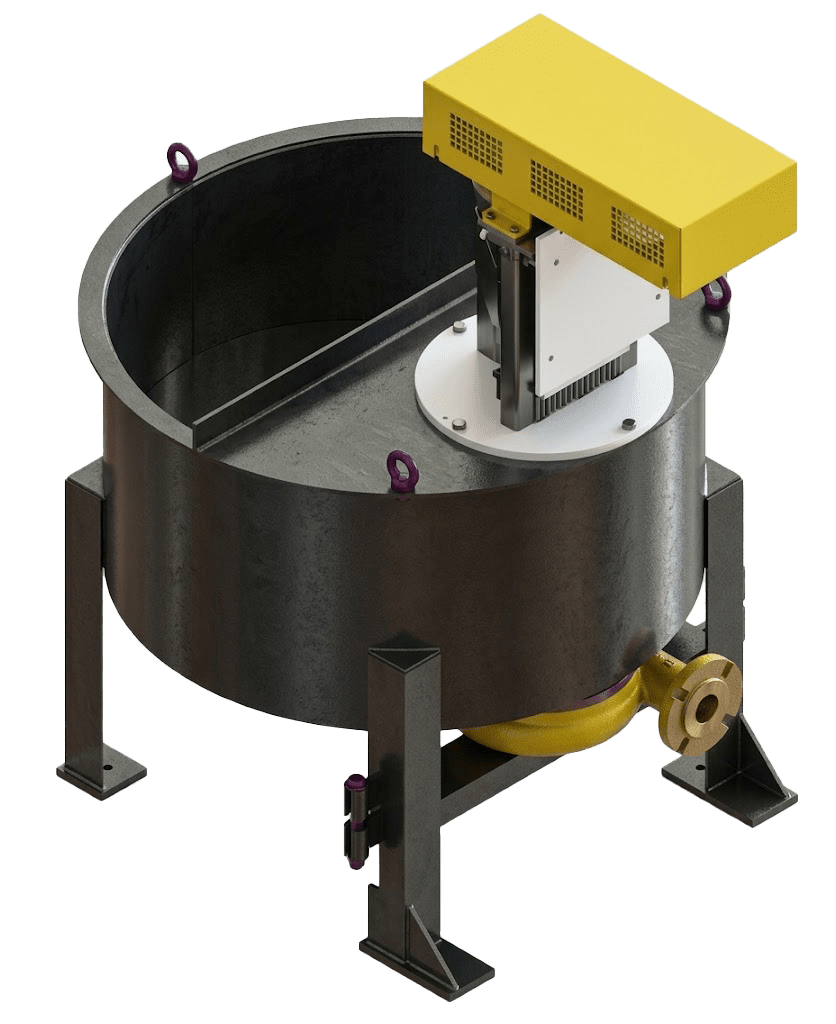
DT Series — Tank Pumps
Run-dry confidence for abrasive tank-mounted slurry service.
DT is used where a vertical tank pump must operate reliably despite level variation and challenging slurry behavior.
It is typically selected when a compact footprint and straightforward installation are required around process vessels. The design focus supports stable operation in duties where air-blocking risk and intermittent conditions can appear.
Maintenance philosophy emphasizes practical access and reduced operational complexity in tank areas. DT is chosen when a dependable tank pump is needed to keep transfer predictable in day-to-day operation.
It is typically selected when a compact footprint and straightforward installation are required around process vessels. The design focus supports stable operation in duties where air-blocking risk and intermittent conditions can appear.
Maintenance philosophy emphasizes practical access and reduced operational complexity in tank areas. DT is chosen when a dependable tank pump is needed to keep transfer predictable in day-to-day operation.
Sump Pumps
Seal-less simplicity for pits, sumps, and variable duty
Sump duty is often more abrasive and less predictable than it looks because solids settle, re-suspend, and change concentration with level. Pumps in pits and sumps must tolerate intermittent inflow, splashing, and occasional aeration without becoming maintenance intensive.
Seal systems can become a frequent failure point in these services, so simpler concepts often improve uptime. Access constraints make repeatable maintenance routines and safe lifting plans essential. Sump pump selection therefore prioritizes reliability under variability, clogging tolerance, and serviceability.
Seal systems can become a frequent failure point in these services, so simpler concepts often improve uptime. Access constraints make repeatable maintenance routines and safe lifting plans essential. Sump pump selection therefore prioritizes reliability under variability, clogging tolerance, and serviceability.
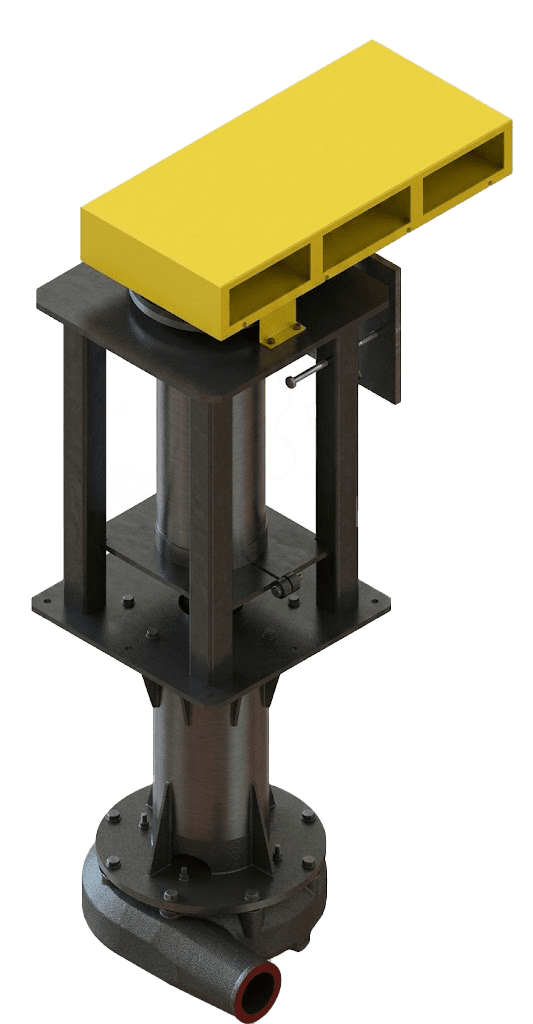
DL Series — Sump Pumps
Keep bearings clean, keep sumps under control.
DL is selected for sump duties where a simple, robust approach is preferred over seal-dependent complexity. It targets abrasive, solids-laden slurry transfer in pits where operating conditions can swing through the shift.
The series is positioned to reduce maintenance burden by avoiding seal-chamber dependency in harsh sump environments. It is commonly applied where predictable starts and stable transfer protect housekeeping and process continuity.
DL is chosen when reliability and practical servicing are the main success criteria.
The series is positioned to reduce maintenance burden by avoiding seal-chamber dependency in harsh sump environments. It is commonly applied where predictable starts and stable transfer protect housekeeping and process continuity.
DL is chosen when reliability and practical servicing are the main success criteria.
DL-MT Series— Sump Pumps
Heavy-duty sump pumping with shared platform logic
DL-MT is used when sump duty is truly severe and demands heavier wear margins and stronger hydraulic stability. It becomes valuable where discharge routing is more restrictive and head requirement is higher than typical pit transfer.
The series supports sites that want sump pumps aligned with the same platform mindset used on core slurry pump duties.
This approach helps standardize spares and maintenance routines across multiple pump locations. DL-MT is selected when uptime depends on a heavy-duty sump solution that remains practical to own.
The series supports sites that want sump pumps aligned with the same platform mindset used on core slurry pump duties.
This approach helps standardize spares and maintenance routines across multiple pump locations. DL-MT is selected when uptime depends on a heavy-duty sump solution that remains practical to own.
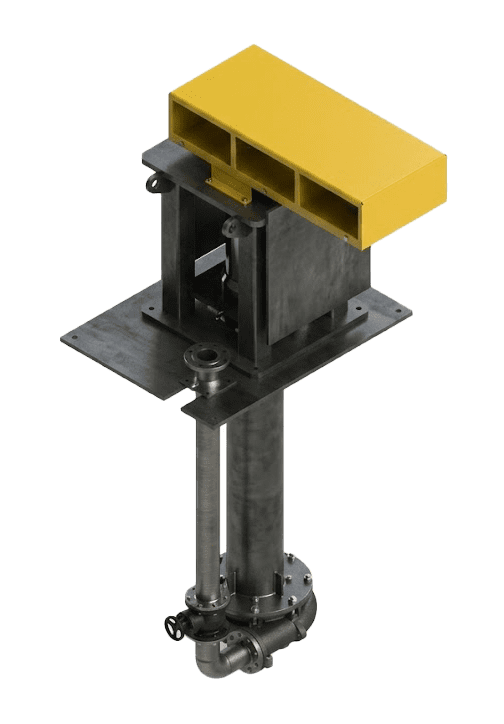
DL-MTM Series— Sump Pumps
Efficiency-focused sump duty with closed-impeller stability
DL-MTM is positioned for moderately abrasive sump duties where pressure stability and efficiency discipline are important. It is typically chosen when the sump service behaves like a process duty rather than occasional pit pumping.
The series helps maintain steadier delivery when level swings and solids variability move the operating point. It also supports simplified maintenance planning by following a consistent platform logic across a site.
DL-MTM is selected when operators want stable performance with practical service routines in medium-duty sump applications.
The series helps maintain steadier delivery when level swings and solids variability move the operating point. It also supports simplified maintenance planning by following a consistent platform logic across a site.
DL-MTM is selected when operators want stable performance with practical service routines in medium-duty sump applications.
Carbon Pumps
Move carbon without plugging, without damaging the media
Carbon handling duties require a pumping approach that respects both solids passage and media integrity. In adsorption circuits, interruptions can affect control and performance, so stable transfer is operationally critical. Carbon pumps must reduce plugging risk while avoiding unnecessary attrition and breakage of the media.
These duties often sit in congested areas where access and housekeeping matter for reliability. Carbon pump selection therefore prioritizes non-clogging flow behavior, gentle handling, and predictable uptime.
These duties often sit in congested areas where access and housekeeping matter for reliability. Carbon pump selection therefore prioritizes non-clogging flow behavior, gentle handling, and predictable uptime.
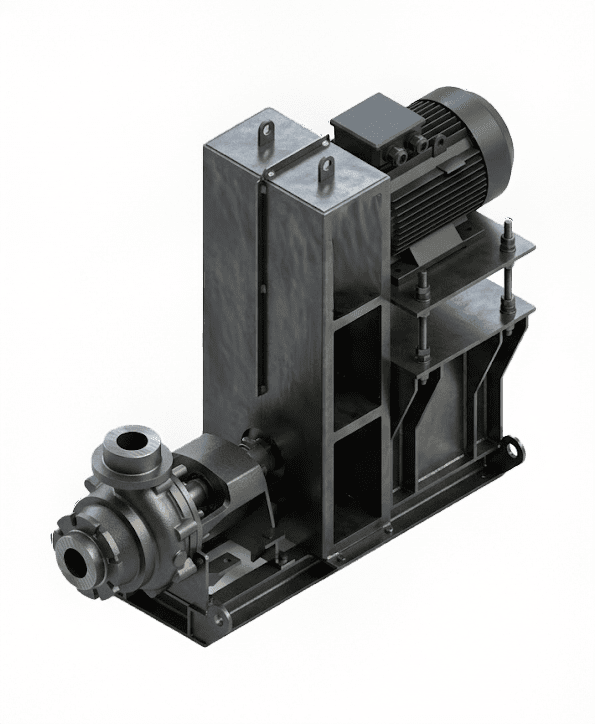
CP Series — Carbon Pumps
Gentle carbon transfer with stable hydraulic performance.
CP is selected where carbon or similar solids must be transferred without frequent plugging events. The series is positioned to move solids smoothly while maintaining steady pumping behavior across a practical operating range.
It is favored in duties where protecting particle integrity and avoiding fragmentation is important to circuit stability. Reliable transfer reduces downstream interruptions and simplifies operational control in carbon areas. CP is chosen when non-clogging behavior and media-friendly handling must be delivered together.
It is favored in duties where protecting particle integrity and avoiding fragmentation is important to circuit stability. Reliable transfer reduces downstream interruptions and simplifies operational control in carbon areas. CP is chosen when non-clogging behavior and media-friendly handling must be delivered together.
DCP Series— Carbon Pumps
Vertical carbon pumping engineered for non-clogging duty.
DCP is used where carbon transfer must be reliable even when solids size and variability increase clogging risk. The vertical configuration supports compact integration into tanks or pits where space and access constraints exist.
The hydraulic concept is selected to keep passages open and reduce blockage sensitivity under real operating conditions. Durability focus supports predictable wear progression and longer service intervals in tough duties. DCP is chosen when uninterrupted carbon transfer is the priority and maintenance must remain controlled.
The hydraulic concept is selected to keep passages open and reduce blockage sensitivity under real operating conditions. Durability focus supports predictable wear progression and longer service intervals in tough duties. DCP is chosen when uninterrupted carbon transfer is the priority and maintenance must remain controlled.
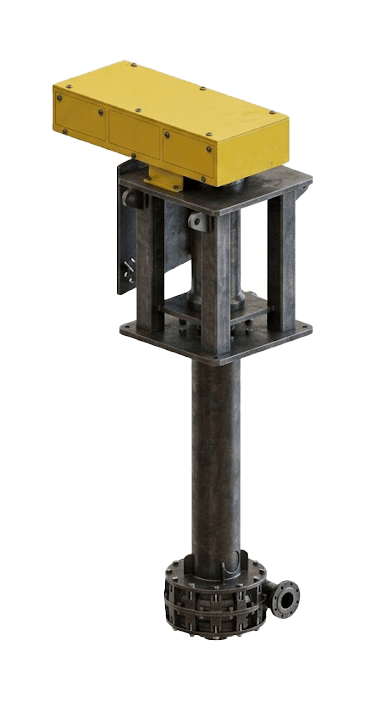
Mill Discharge / Heavy Duty Pumps
Built for the toughest duty point in the plant
Mill discharge and similar heavy-duty services sit where slurry is dense, abrasive, and operationally unforgiving. These duties can demand high reliability because they influence downstream classification, flotation stability, and overall plant throughput. Pumps here must tolerate wear progression, solids swings, and real-world transients without becoming unstable.
Maintenance is expected and must be fast, repeatable, and safe because downtime cost is high. Heavy-duty pump selection therefore prioritizes robust mechanics, stable hydraulics, and predictable service routines.
Maintenance is expected and must be fast, repeatable, and safe because downtime cost is high. Heavy-duty pump selection therefore prioritizes robust mechanics, stable hydraulics, and predictable service routines.
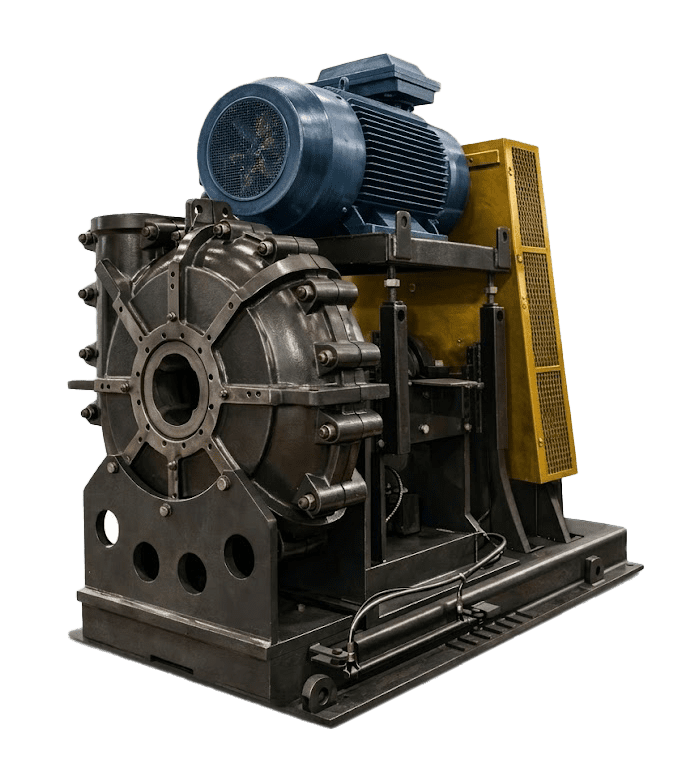
AHM Series — Mill Discharge / Heavy Duty Pumps
Extra heavy-duty pumping that holds its curve in severe service
AHM is selected for the most demanding slurry duties where wear life and stability dominate selection decisions. It is typically positioned in high-severity services such as mill discharge and other abrasive, high-duty circuits.
The series is built to operate predictably as wear develops and conditions vary within the duty window. Serviceability is treated as a normal operational requirement because planned wear work is part of plant life. AHM is chosen when the plant needs a heavy-duty pump platform that protects uptime under harsh conditions.
The series is built to operate predictably as wear develops and conditions vary within the duty window. Serviceability is treated as a normal operational requirement because planned wear work is part of plant life. AHM is chosen when the plant needs a heavy-duty pump platform that protects uptime under harsh conditions.
Filter Press Feed / Thickener Underflow Pumps
Pressure-capable pumps for thick slurry and control-driven circuits
Underflow and filtration-related duties often involve high density, higher pressures, and operating points that can move as process conditions change. These services can be sensitive to control actions, valve behavior, and transient events that increase mechanical loading.
Pumps must deliver stable performance without becoming overly sensitive to duty drift or maintenance variability. Because the slurry can be thick and abrasive, wear strategy and sealing discipline strongly influence reliability. Selection therefore prioritizes robustness, pressure capability, and repeatable maintenance planning.
Pumps must deliver stable performance without becoming overly sensitive to duty drift or maintenance variability. Because the slurry can be thick and abrasive, wear strategy and sealing discipline strongly influence reliability. Selection therefore prioritizes robustness, pressure capability, and repeatable maintenance planning.
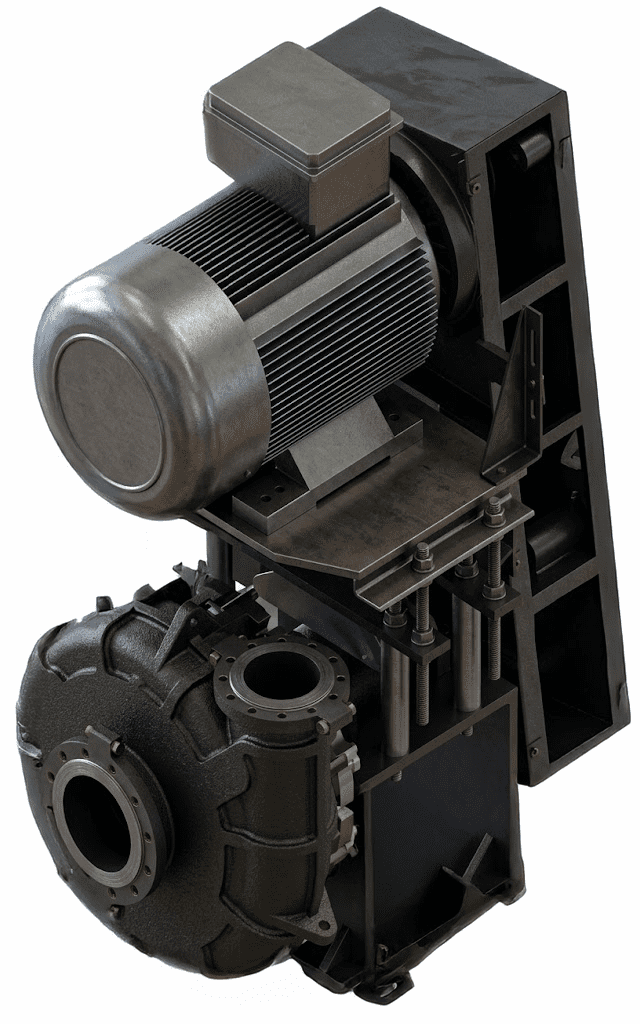
MT/MTR Series — Filter Press Feed / Thickener Underflow Pumps
Heavy duty on one platform: metal or rubber-lined wet ends
MT/MTR is selected for heavy-duty duties where dynamic loading and abrasive wear must be managed with practical service routines. The paired concept allows the wet-end philosophy to be matched to the slurry, using hard metal or rubber-lined configurations as appropriate.
It is commonly applied where duty stability matters and where maintenance must remain predictable across a fleet.
The series supports plants that want a consistent platform approach while adapting wear strategy to different circuits. MT/MTR is chosen when reliability, spares discipline, and lifecycle cost control are primary drivers.
It is commonly applied where duty stability matters and where maintenance must remain predictable across a fleet.
The series supports plants that want a consistent platform approach while adapting wear strategy to different circuits. MT/MTR is chosen when reliability, spares discipline, and lifecycle cost control are primary drivers.
Tailings Pumps
High head for long lines, elevation gain, and demanding transport.
Tailings transport often requires higher head because pipelines can be long and elevation gain can be significant. Operating stability matters because line behavior and transients can affect the whole disposal system. Wear progression must be managed carefully because velocity and turbulence can accelerate erosion over time.
Maintenance planning is critical since tailings lines are typically infrastructure-critical and downtime is costly. Tailings pump selection therefore focuses on head capability, wear control, and predictable operation across the duty range.
Maintenance planning is critical since tailings lines are typically infrastructure-critical and downtime is costly. Tailings pump selection therefore focuses on head capability, wear control, and predictable operation across the duty range.
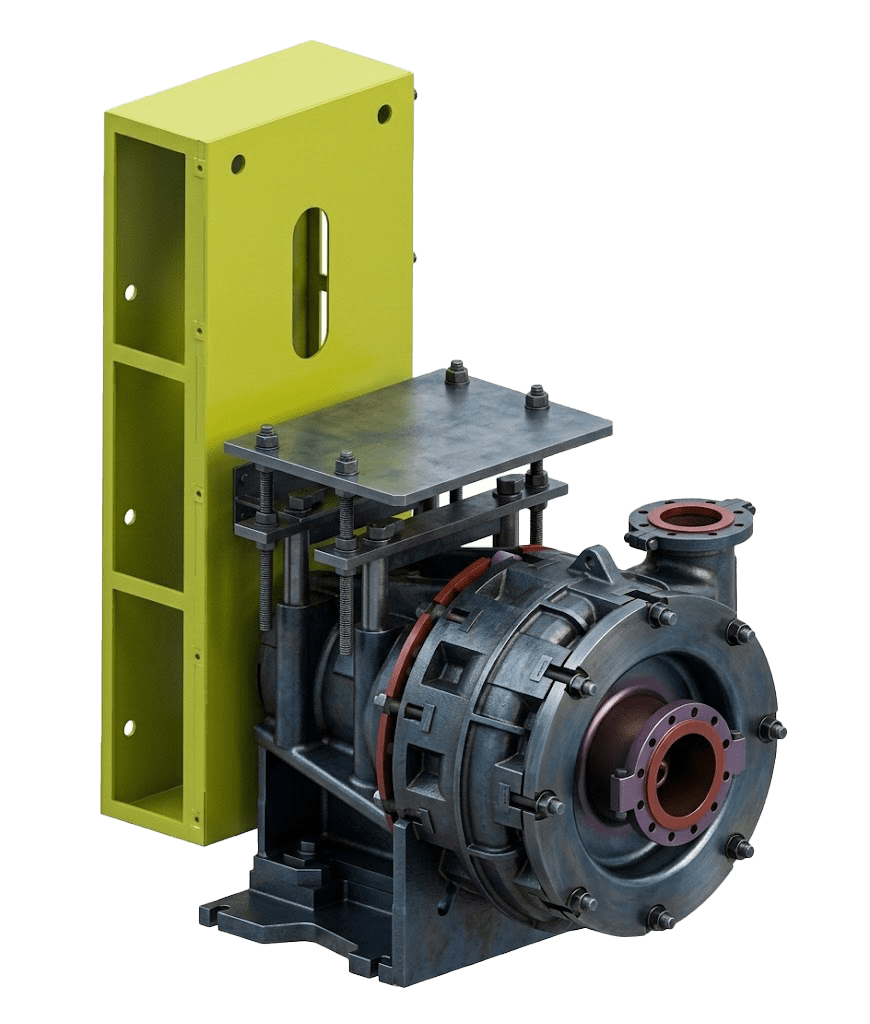
MTH Series — Tailings Pumps
High-head slurry delivery with wear-focused construction
MTH is selected where head requirement is the dominant driver and the duty is severe in pressure and wear. It is positioned for tailings and similar services where long routes and restrictive lines demand stable head delivery. The series supports operation where maintaining a consistent transfer profile over time is important for system reliability.
Wear strategy and operating discipline are treated as part of the selection because performance drift can impact pipeline behavior. MTH is chosen when high head and predictable long-run operation must be delivered together.
Wear strategy and operating discipline are treated as part of the selection because performance drift can impact pipeline behavior. MTH is chosen when high head and predictable long-run operation must be delivered together.
Thickener Overflow / Light Duty Pumps
Reliable transfer for lighter slurry and process water duties
Light-duty and overflow services still require reliable pumping because they often support continuous plant operation. These duties can include process water circulation, lighter slurry transfer, and general services that feed critical downstream equipment. The priority is usually stable operation, straightforward maintenance, and cost-effective ownership rather than extreme-duty margins.
Wear strategy remains relevant because “light duty” can become abrasive if conditions shift. Selection therefore emphasizes practical performance, predictable servicing, and easy integration into plant layouts.
Wear strategy remains relevant because “light duty” can become abrasive if conditions shift. Selection therefore emphasizes practical performance, predictable servicing, and easy integration into plant layouts.
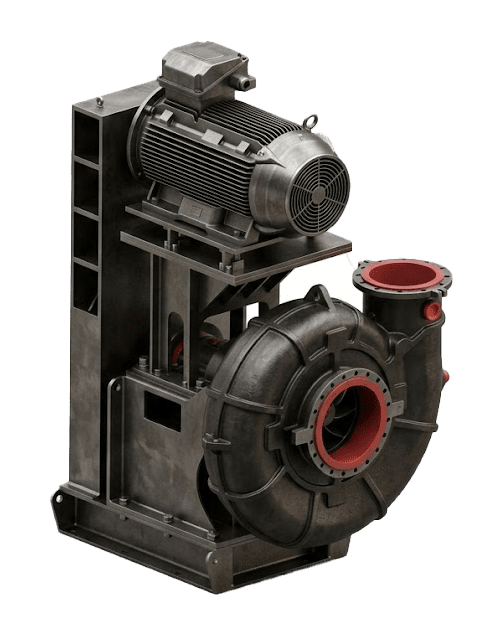
MTM Series — Thickener Overflow / Light Duty Pumps
The practical workhorse for medium-duty service
MTM is selected for medium-duty applications where reliability and simplicity are valued over extreme-duty construction. It is commonly used for transfer services and support duties that still see abrasive wear but within a manageable duty window.
The series is positioned to deliver stable daily operation with predictable maintenance routines. Standardized configuration and practical service planning help reduce ownership cost across the plant. MTM is chosen when a dependable, cost-effective pump platform is needed for everyday slurry duties.
The series is positioned to deliver stable daily operation with predictable maintenance routines. Standardized configuration and practical service planning help reduce ownership cost across the plant. MTM is chosen when a dependable, cost-effective pump platform is needed for everyday slurry duties.